Welcome to the second instalment of our Magical Milestones, where we explore the key stages in your pet’s life and how each phase influences their health and wellbeing. In this issue, we focus on the “in-between” stage when puppies and kittens begin transitioning from juveniles into young adults.
Juvenile:
(6- 18months, up to 2 years)
More commonly known as the ‘teenage stage’, this period is marked by important physical and behavioural changes, including the completion of growth, the emergence of adult personality traits, and the development of emotional maturity. Understanding these milestones helps ensure your pet receives the right care, nutrition, and support as they grow into confident, healthy adults.
Good Nutrition:
As puppies and kittens grow into young adulthood, their nutritional needs begin to shift. While their rapid growth slows, their bodies still require support for muscle development, immune health, and sustained energy. This stage marks the time to gradually transition from puppy or kitten food to an adult-formulated diet.
Adult diets are designed to provide quality protein, essential nutrients, and controlled calories to maintain healthy development and prevent excess weight gain. The transition to adult food should be done gradually over 7 to 10 days to avoid digestive upset. It’s also important to ensure that fresh water is always available.

Your veterinary nurse or veterinarian can advise on the appropriate time to make the switch, as this can vary depending on breed, size, and individual needs. Choosing an age-appropriate, balanced diet throughout your pet’s life—especially during growth phases—is essential for long-term health.
Proper nutrition during this stage lays the foundation for a healthy, active adult life.
Vaccinations:
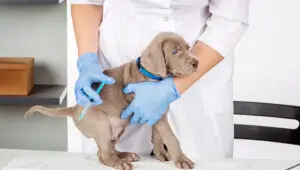
As cats and dogs enter young adulthood, maintaining their vaccination schedule remains essential for protecting against preventable diseases. After their puppy or kitten schedule, usually the next vaccine is given at 12 months of age.
While initial vaccinations during puppyhood and kittenhood provide early immunity, booster vaccines during this stage help reinforce long-term protection. Core vaccines safeguard against serious illnesses such as parvovirus, distemper, and feline panleukopenia, while lifestyle vaccines may be recommended based on your pet’s environment and risk factors. Keeping up with vaccinations ensures your pet stays healthy, resilient, and ready to enjoy life to the fullest.
Flea & Worm:
Consistent flea and worm prevention becomes essential. At this stage, they’re active, curious, and often exploring new environments—making them more vulnerable to parasites. Regular treatment helps protect their health, prevents discomfort, and reduces the risk of spreading parasites to other pets or people. A simple routine can make a big difference in keeping your furry friend happy, healthy, and parasite-free.


Vet Checks:
As your dog or cat transitions from juvenile to adult, regular vet checks are more important than ever. This stage is full of change physically, emotionally, and behaviourally. Routine health checks help monitor growth, detect early signs of illness, and ensure vaccinations, parasite control, and nutrition are all on track. It’s also a great time to discuss de-sexing, dental care, and lifestyle needs as your pet matures. A proactive approach now sets the stage for a healthy, happy adult life.
Pet Insurance:
As your pet enters young adulthood, they’re active, curious, and still growing—making this a key time to consider pet insurance. Unexpected accidents, illnesses, or even routine care can quickly add up. Insurance helps ease the financial stress, ensuring you can focus on what matters most: your pet’s health and happiness. Starting coverage early means better protection and peace of mind as they continue to thrive.

If you would like more information, we have an excellent pamphlet on insurance or our team is happy to help, and of course, major companies all have websites you can review. In addition, we have several companies that offer free trial insurance for puppies or kittens, which is a great way to get started.
Behavioural Growth:
Consistent routines, positive reinforcement, and exposure to varied environments during this stage help shape well-adjusted adult behaviour. Supporting pets through this developmental phase lays the foundation for a confident, balanced companion.
At VetsOne we want your pet to be happy to come to the vet! This allows us to offer the best possible care, with minimal stress. We are happy to facilitate socialisation visits, or you can just pop in anytime and see our friendly staff for a behind the counter dog treat.
Additionally, we are lucky in Hawke’s Bay to have access to several trainers or organised class experiences, that may be suitable for you and your pet. This can give practical insight into how to approach a broad topic.

De-Sexing:
We love to support our breeding animals. For those not intending to breed their pet, de-sexing (or neutering and speying), is an important part of responsible pet ownership. In both cats and dogs, de-sexing helps prevent unwanted litters and reduces the risk of certain health issues, such as reproductive cancers. It can also positively influence behaviour—reducing roaming, marking, and aggression in some animals. Cats are normally de-sexed around 5 to 6 months of age. For dogs, your veterinarian can advise on the best timing based on your dog’s breed, size, and health. For female dogs, it is recommended to wait until she has had one heat cycle. Please talk to your Vet around risks and benefits of de-sexing timing.
Growth:
During this stage, your pet is transitioning from juvenile to young adult. This phase marks the completion of physical growth—closure of bone growth plates, increased muscle and soft tissue development, and the onset of sexual maturity. In female dogs, this is signalled by their first heat cycle.

Age of Maturity Varies by Breed:
In dogs, the age at which maturity is reached varies significantly depending on breed size:
- Small breeds (e.g., Bichon Frise, Miniature Poodle, Shih Tzu): ~6 months
- Medium breeds (e.g., Staffordshire Bull Terrier, Border Collie, Sheltie, Cocker Spaniel): ~8–12 months
- Large breeds (e.g., Golden Retriever, Labrador, Huntaway): ~12–18 months
- Giant breeds (e.g., Great Dane, Mastiff, St Bernard): ~12–24 months
Cats tend to follow a more uniform timeline, typically reaching sexual maturity around 6 months of age, with physical growth continuing for several more months.
Immune System:
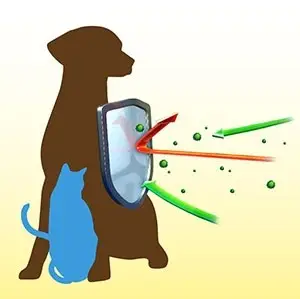
As our pet’s transition into young adulthood, their immune system becomes significantly more robust and better equipped to defend against illness. During puppyhood, immunity is still developing and relies heavily on maternal antibodies and early vaccinations. By the time you pet reaches young adulthood, their immune system has matured, allowing for a more effective response to pathogens and environmental challenges.
This stage is critical for reinforcing long-term health through proper nutrition, regular exercise, and continued preventative care—including vaccinations, parasite control, and routine health checks. A strong immune system not only helps fight off infections but also supports overall vitality, resilience, and wellbeing throughout adulthood.
Play & Behaviour:
During this stage, we also begin to see a shift in behaviour. Young animals often engage in energetic, exploratory play, chasing, pouncing, chewing, and tumbling as they learn about their world. As they mature, play tends to become more selective and purposeful, reflecting increased confidence and social awareness.
You may notice changes in how your pet interacts with others. Dogs, in particular, begin to establish clearer social boundaries and may show more dominant or reserved behaviours depending on their temperament and experiences. This is a key period for training and socialisation, which helps shape a well-balanced adult dog.

The Importance of Early Exposure:
During the juvenile stage, dogs are especially receptive to new experiences. Introducing them to a variety of environments—parks, busy streets, different surfaces, people, and other animals—helps build confidence and reduces fearfulness. Well-socialised dogs are more adaptable, less anxious, and better equipped to handle everyday situations as they grow.
Whether it’s a walk in the park, a visit to a friend’s house, or a trip to the vet, each experience contributes to a well-rounded and resilient companion. The behaviours they develop during this stage lay the foundation for their adult personality and how they navigate the world around them.