

Adult Stage
1-7 years
This covers the period after the juvenile stage – Adult through to Senior. The age, shape and stage of your pet can vary depending on the species (cat or dog) and breed (Chihuahua – Great Dane).
On first pass, these years look rather straight forward – the excitement of the puppy and kitten stages have passed, you settle somewhat into a routine with your pet, and generally, we expect they will develop few health issues (compared with the other life stages). And yet, this is the most important time to get health care right, so that you can set them up for optimum health in their senior years.
Preventative Care
Annual Health Checks & Vaccination Boosters
Annual health exams offer you a chance to discuss any changes physical or behavioural, and gives us the chance to identify changes in the health of your pet that warn of a potential problem in the wings (or even closer).
Not all pets need all the vaccines in any one year – at the annual health exam, your vet will tailor your vaccine regime to your individual needs.

Recently, leptospirosis was determined by the World Veterinary Association (WSAVA) to be a core need for all dogs, because rats, the main carriers are found in all areas (not just the country). Because of this, our vets may make a different recommendation for your pet than was given in previous years.
If your pet hasn’t been in to see us within the past 12 months, their protection may be at risk, so we encourage you to call to make a booking for a heath check and vaccine need assessment.

Parasite Control:
Fleas, ticks, and worms can cause discomfort and transmit disease, even in healthy adult pets. Maintaining monthly or quarterly treatments (depending on the product used) help keep infestations under control and protect your pet year-round.
If you find applying these treatments difficult or struggle knowing which one is right for your pet, our team is very happy to help.
Dental Care Recommendations:
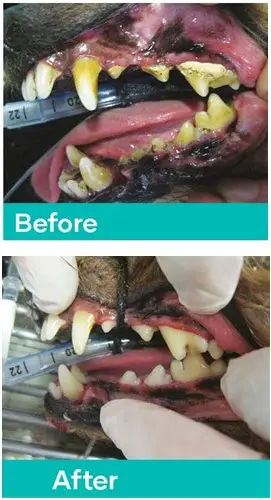
Dental disease is one of the most common issues in adult pets and often goes unnoticed until it’s advanced. In fact, 80% of pets over 2 years of age will have significant dental disease needing a dental treatment. Professional cleanings can prevent plaque build-up and painful infections, and typically, these will be needed annually.
We offer free dental checks for all our patients, and we recommend having them every 6 months. Also, our Dental Club is a great way to spread the load of the cost of a dental, as well as offering great savings.
When to seek veterinary attention: Trust your instincts – you and your pet have a routine now and you know when they are out of routine. For most things, (except those obvious emergencies and severe illnesses) if symptoms persist for more than a day or worsen quickly, it’s time to book a visit with us for peace of mind.
Breed predisposition: Now your pet is an adult, it is useful to be aware of what issues they may be more prone to because of their breed. Being aware of these allows you to make minor changes now that can help reduce the onset or severity of these diseases over time. In many cases we can offer specific screening tests with your pet’s annual health exam to catch diseases early on.
Nutrition & Weight Management

All adult pets start to become more sedentary with less energy usage compared with the kitten and puppy phase. Encouraging exercise and feeding a diet that matches their needs are important ways to ensure they stay at optimal weight.
This is important because if your pet is above ideal weight through this phase, they will be more prone to diseases like arthritis, pancreatitis and diabetes in their senior years. In addition, middle aged, male neutered cats, have a much higher chance of developing a blocked bladder if they are overweight.
Ideal diet for adult pets:
Adult dogs and cats should be fed a good quality, balanced diet that supports their energy levels and maintains lean muscle mass. Our preference is a high-quality pet biscuit. Feeding pet roll is a common factor when owners are struggling with pets becoming overweight. Breed, size, and activity level all influence the best food choice, so it’s worth discussing options with our vets.
Portion control and feeding frequency:
Overfeeding and feeding human “snacks” between meals are leading causes of obesity in pets. Measuring meals and feeding at consistent times helps regulate metabolism and prevents begging or overeating.
Treats should make up no more than 10% of daily intake and should be low in fat and sugar. Supplements may be beneficial but should only be used under veterinary guidance.
Weight monitoring and obesity prevention:
Regular weigh-ins and body condition scoring help catch weight gain early and allow for dietary adjustments.
Our team offers weight clinics and regular weight monitoring if you need help with this.

Regular Exercise: Exercise is important to help maintain muscle and joint health, help with weight control and stimulate cognitive (brain) function. Daily walks, play sessions, and active time are essential for physical and mental health. Tailor exercise to your pet’s age and breed—some need vigorous activity, while others prefer gentle movement. Cats can be exercised, either by walking on a cat harness or by using toys they can chase.
Behaviour & Training
Pets can develop anxiety, aggression, or destructive habits in their adult phase due to boredom, changes in routine, or bad experiences early on. Early intervention with training or environmental changes can prevent these behaviours from becoming more of a problem.
Enrichment ideas:
Mental stimulation is just as important as physical exercise. Puzzle feeders, scent games, and interactive toys keep pets engaged and reduce stress.
Training tips:
Consistency is key when training adult pets. Positive reinforcement techniques work well, and even older pets can learn new commands or routines with patience and repetition.

Socialization Advice:
Dogs benefit from regular interaction with other dogs and people to stay confident and well-adjusted. Whether or not your pet benefitted from Puppy Pre-school for early socialisation, they would find great benefit from socialisation as an adult. Dog Obedience Schools (we have one in Napier and Hastings) or dog walking groups are a great way to achieve positive socialisation. Cats prefer solitude but still need stimulation through play and safe exploration.
Lifestyle & Environmental Tips
Grooming Needs & Coat Care:
Regular brushing help remove loose fur, prevent matting, and distribute natural oils. Some breeds require professional grooming every few months to maintain skin and coat health.


Travel and Boarding advice:
Before travel or boarding, ensure your pet is up to date with their vaccinations and parasite prevention. Familiar items like bedding or toys can ease anxiety in unfamiliar environments. Remember that VetsOne runs a cattery which is managed by our great team of nurses. Whilst all cats are welcome, it is especially ideal for any cat with health conditions, or that need medications.
Pet Insurance options:
Insurance can help cover unexpected vet bills and give peace of mind. It is best to insure your pet well before an accident happens or problems of age start to develop. Policies vary widely, so it’s worth comparing coverage for accidents, illnesses, and routine care. We have a great brochure which will help with many of the FAQs you might have about insurance.


